
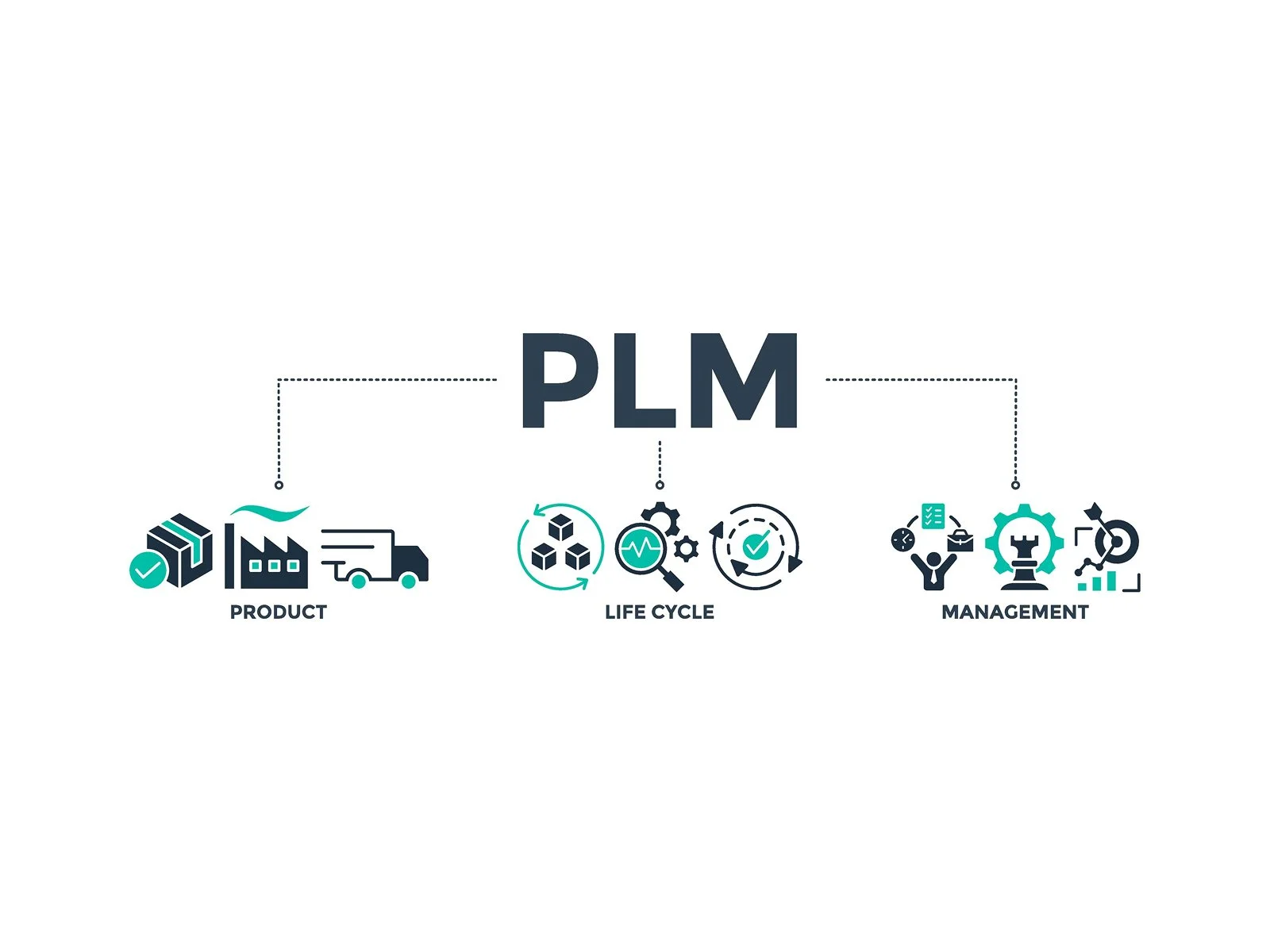
Many transformation programs begin with a clear business ambition. Improve product development. Increase collaboration. Reduce complexity. Enable growth.
As the program progresses, however, conversations often shift. Discussions that once focused on business outcomes become increasingly centered on system functionality, configurations, integrations, and release plans.
"We've seen programs celebrate successful deployments while still struggling with the business challenges that justified the investment in the first place."
In these situations, the technology has not necessarily failed. The challenge is that the transformation became focused on delivering the system rather than improving how the business operates.
Our Observation
As transformation programs progress, discussion often shift from business outcomes to system delivery
Success is measured through project milestones rather than business outcome
Business objectives that were clear at the start gradually become less visible during implementation
Our Perspective
Technology is an important enabler, but transformation happens when people make product decisions differently, collaborate differently, and adopt new ways of working. The most successful programs do not start with IT system requirements. They start by defining how product decisions are made, how teams work together, and what business outcomes they are trying to achieve. Technology should support these capabilities, not define them.
"We've seen organizations spend significant effort optimizing IT system requirements before agreeing on ownership, product decision-making, or ways of working. In these situations, the IT system technology often receives the blame when the real challenge lies elsewhere."
PLM creates value when it enables better product decisions, stronger collaboration, and effective execution. Without these foundations, even a successful implementation can struggle to generate lasting business impact.
Key Takeaway
The goal is not to implement PLM.
The goal is to improve how the organization develops products, makes decisions, collaborates across functions, and executes these decisions with the expected business outcome. PLM is a critical enabler, but business outcomes remain the measure of success.